logo-black

About Us

Who We Are

Introduction of

Natural Product Trading SUARL


Exporting Organic Natural Raw Materials from Senegal

"From African Soil to Global Shelves."

Natural Product Trading SUARL is a Senegal-based company specializing in the export of high-quality organic and natural raw materials. We are committed to sustainable sourcing and promoting Senegal's rich biodiversity through ethically harvested products.


Our Vision


Our vision is to become a leading provider of premium organic products from Senegal and West Africa, promoting health, sustainability, and responsible sourcing. We aim to connect the world with nature's purest ingredients, while empowering local communities and preserving the environment for future generations.

Our Mission


To support local communities and promote the value of West African natural resources through sustainable and responsible trade practices.


Why Choose Us


  • Certified organic sourcing
  • Ethical and sustainable practices
  • Reliable logistics and international shipping
  • Strong partnerships with rural cooperatives and harvesters


Our Products


We focus on exporting a variety of organic raw materials including:

  • Baobab (fruit powder, oil, seeds)
  • Moringa (leaves, powder, oil)
  • Hibiscus (dried petals, powder)
  • Gum Arabic
  • Shea Butter
  • Neem products
  • Other local natural resources upon request

Our Products
project manager

Founder

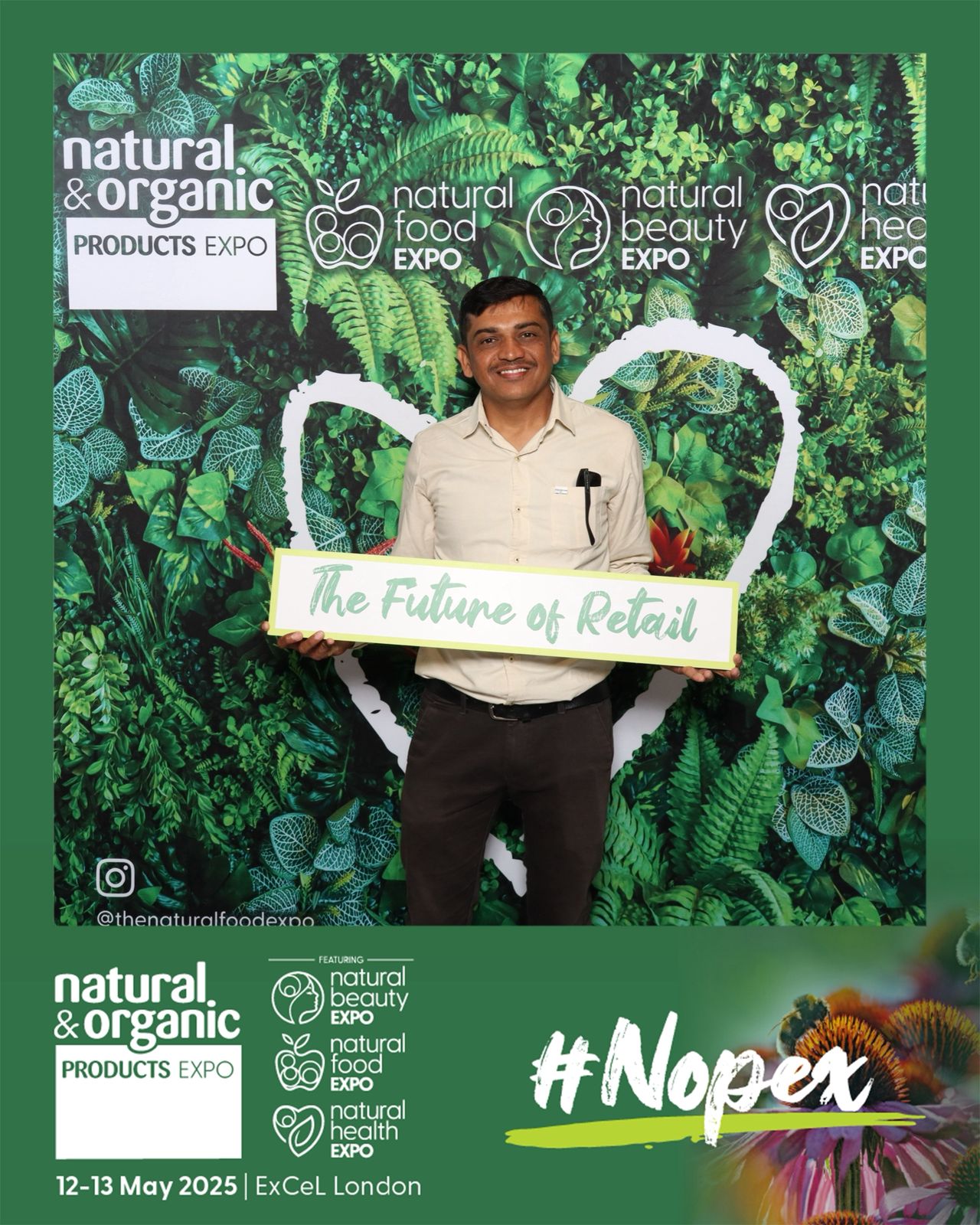
Mr Piyush Sharma

Lorem ipsum dolor sit amet, consectetur adipisicing elit. Minus obcaecati pariatur officiis molestias eveniet harum laudantium sed optio iste. Iste, alias, non libero recusandae fugiat praesentium delectus inventore accusamus veniam!

" Lorem ipsum dolor sit amet, consectetur adipiscing elit, sed do eiusmod tempor incididunt ut labore et dolore magna aliqua. Ut enim ad minim veniam, quis nostrud exercitation ullamco laboris nisi ut aliquip ex ea commodo consequat. Duis aute irure dolor in reprehenderit in voluptate velit esse cillum dolore eu fugiat nulla pariatur. Excepteur sint occaecat cupidatat non proident, sunt in culpa qui officia "

Our Products

What We Provide

GUM


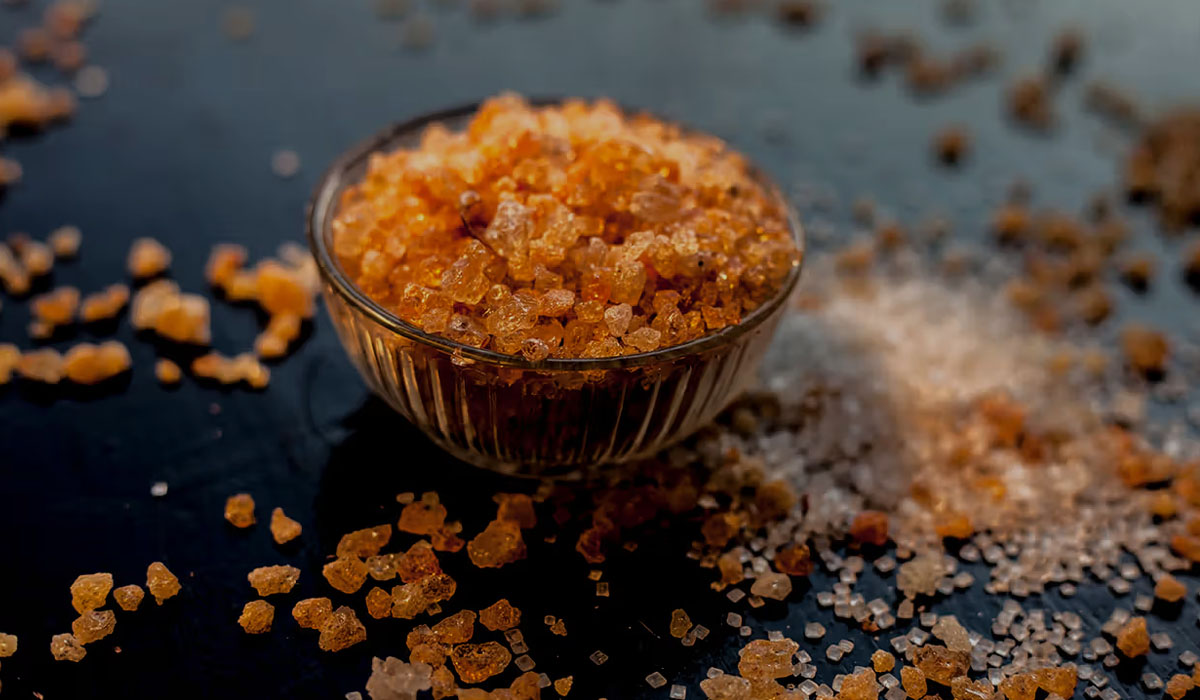
GUM ARABIC SEYAL & SENEGAL


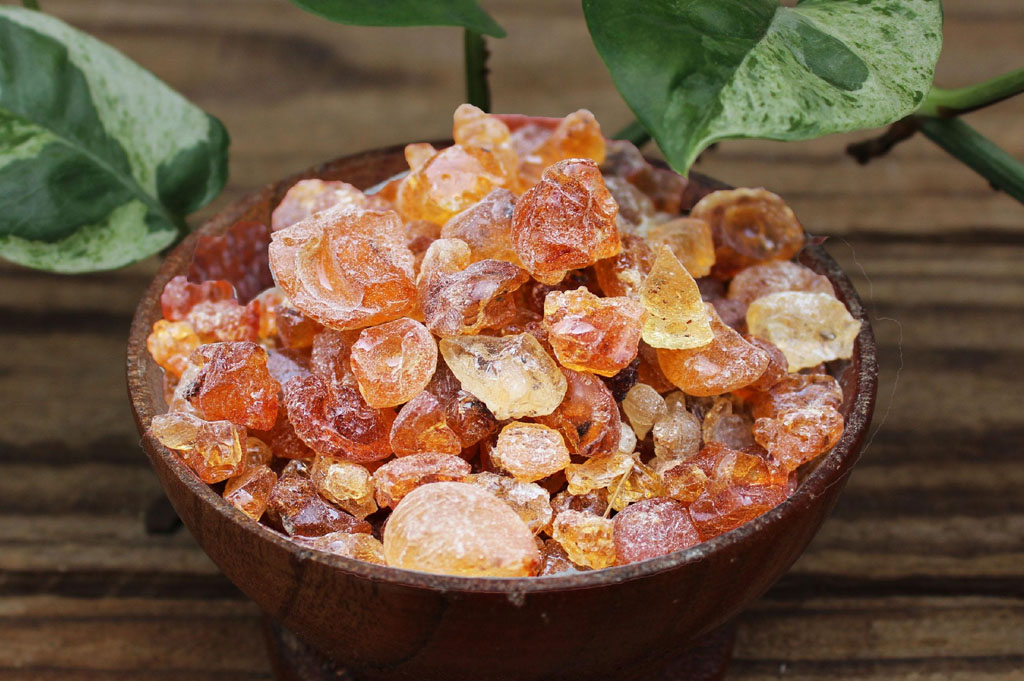
Gum Arabic, also known as Acacia gum, is a natural gum derived from the hardened sap of two acacia species: Senegalia (Acacia) senegal and Vachellia (Acacia) seyal, with Senegalia (Acacia) senegal being the primary source.


GUM KARAYA (TRAGACANTH)


Gum karaya, also known as Indian tragacanth, is a vegetable gum derived from trees of the genus Sterculia, primarily Sterculia urens, and used as a thickener, emulsifier, and in denture adhesives, while gum tragacanth is a similar gum from a different plant source.


GUM OLIBANUM


Olibanum is a natural gum-resin that forms when incisions are made in the trunks of several species of Boswellia, a small tree native to southern Saudi Arabia and North Africa. Local populations often tap Boswellia trees in the wild. The gum is gathered several weeks later. A cleaning and grading process is then organized to prepare the various qualities for export.


GUM ARABIC SOKOTO


Gum Sokoto is much darker and very mixed in quality; it may consist of gum from species other than Acacia (such as Combretum and Albizia). It is commercially called grade three, has a negative optical rotation and is sourced from the fourteen producer states of Nigeria. Gums derived from Combretum are readily available at low prices in East and West Africa and are often offered for sale as “gum arabic.” Because there is no toxicologic data supporting the safety of these gums, they are not recognized as food additives by most countries.Similarly, trees of the genus Albizia are often confused with Acacia and should not be used as acacia substitutes.

GUM ARABIC SEYAL & SENEGAL

Gum Arabic, also known as Acacia gum, is a natural gum derived from the hardened sap of two acacia species: Senegalia (Acacia) senegal and Vachellia (Acacia) seyal, with Senegalia (Acacia) senegal being the primary source.

GUM KARAYA (TRAGACANTH)

Gum karaya, also known as Indian tragacanth, is a vegetable gum derived from trees of the genus Sterculia, primarily Sterculia urens, and used as a thickener, emulsifier, and in denture adhesives, while gum tragacanth is a similar gum from a different plant source.

GUM OLIBANUM

Olibanum is a natural gum-resin that forms when incisions are made in the trunks of several species of Boswellia, a small tree native to southern Saudi Arabia and North Africa. Local populations often tap Boswellia trees in the wild.

GUM ARABIC SOKOTO

Gum Sokoto is much darker and very mixed in quality; it may consist of gum from species other than Acacia (such as Combretum and Albizia). It is commercially called grade three, has a negative optical rotation and is sourced from the fourteen producer states of Nigeria.

GUM ARABIC

Gum Sokoto is much darker and very mixed in quality; it may consist of gum from species other than Acacia (such as Combretum and Albizia). It is commercially called grade three, has a negative optical rotation and is sourced from the fourteen producer states of Nigeria.

GUM ARABIC SEYAL & SENEGAL

Gum Arabic, also known as Acacia gum, is a natural gum derived from the hardened sap of two acacia species: Senegalia (Acacia) senegal and Vachellia (Acacia) seyal, with Senegalia (Acacia) senegal being the primary source.

HIBISCUS


WHITE & RED HIBISCUS


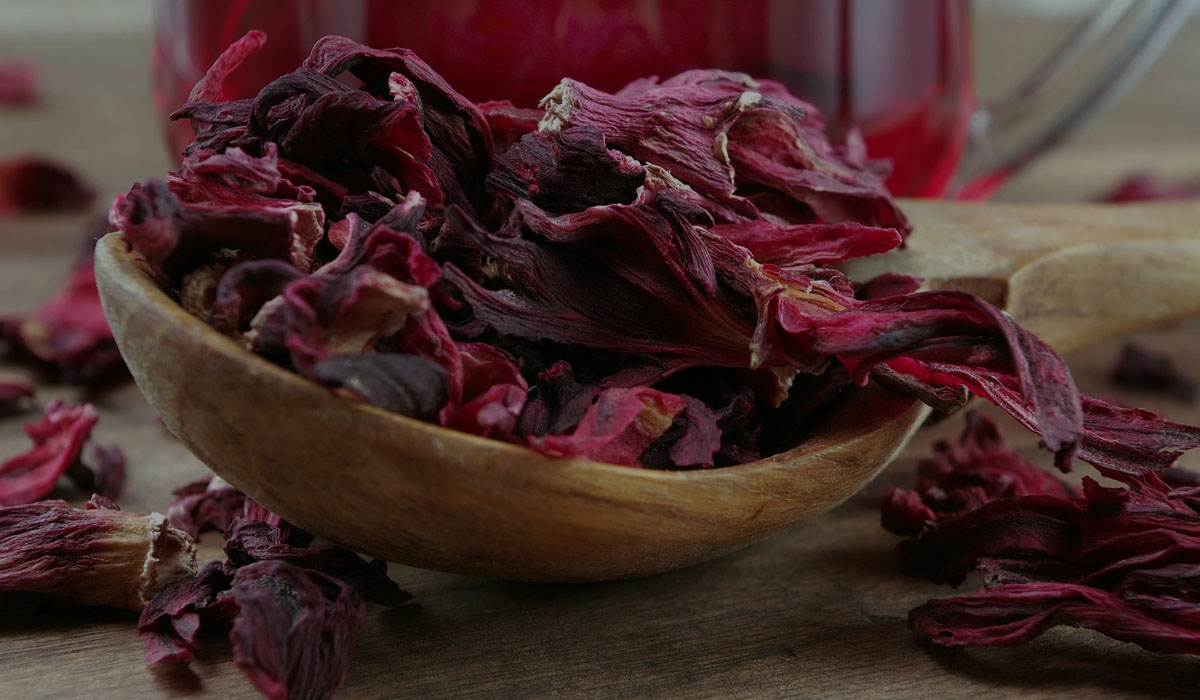
Hibiscus is a genus of flowering plants in the mallow family, known for their large, showy, trumpet-shaped flowers in various colors, and includes both hardy shrubs and tender, tropical varieties. Here's a more detailed look at hibiscus:


Hardy Hibiscus (e.g., Hibiscus syriacus)


These are deciduous shrubs that can tolerate cooler temperatures and are often used in outdoor gardens. They are also known as "rose of Sharon".


Tropical Hibiscus (e.g., Hibiscus rosa-sinensis)


These are evergreen plants that thrive in warm climates and are commonly grown as houseplants or in containers.


Other Notable Species


1. Hibiscus sabdariffa: Commonly used to make hibiscus tea.
2. Hibiscus moscheutos: A popular hardy hibiscus species.
3. Hibiscus syriacus 'Blue Bird': A popular cultivar with blue flowers.
4. Hibiscus syriacus 'Red Heart': A cultivar with white flowers and a red eye.
5. Hibiscus syriacus 'Marina': A cultivar with lavender-blue flowers.
6. Growing Hibiscus:
7. Hardy Hibiscus: Grow in full sun and well-drained soil. Prune in late winter or early spring. Can be propagated by semi-hardwood cuttings.
8. Tropical Hibiscus: Provide bright, indirect light and warm temperatures. Water regularly, especially during the growing season. Can be grown in pots or planted in the ground in warmer climates.

Uses of Hibiscus:
Ornamental: Hibiscus are prized for their large, colorful flowers, adding an exotic touch to gardens and landscapes.
Edible: Hibiscus flowers and calyces are used to make tea, juice, and other beverages.
Medicinal: Hibiscus tea has been linked to various health benefits, including lowering blood pressure and cholesterol levels.
Other: Hibiscus can be used in crafts, as a garnish, and in brewing and distilling.

HIBISCUS

Hibiscus is a genus of flowering plants in the mallow family, known for their large, showy, trumpet-shaped flowers in various colors, and includes both hardy shrubs and tender, tropical varieties.

HIBISCUS

Hibiscus is a genus of flowering plants in the mallow family, known for their large, showy, trumpet-shaped flowers in various colors, and includes both hardy shrubs and tender, tropical varieties.

HIBISCUS

Hibiscus is a genus of flowering plants in the mallow family, known for their large, showy, trumpet-shaped flowers in various colors, and includes both hardy shrubs and tender, tropical varieties.

Peel & Seeds

LEMON PEEL

We is engaged in Import & Export a wide assortment of food Raw materials are Gum Arabic, Gum Olibanum, Peanuts, Sesame seeds, Dry Ginger, Raw Cashew and Seaweed. We are also manufacturing Paper & Plastic products as Thermal paper rolls (customized), Mist Sprey, Lotion Pump, Bottle cap, Flip top cap, etc.

ORANGE PEEL

We is engaged in Import & Export a wide assortment of food Raw materials are Gum Arabic, Gum Olibanum, Peanuts, Sesame seeds, Dry Ginger, Raw Cashew and Seaweed. We are also manufacturing Paper & Plastic products as Thermal paper rolls (customized), Mist Sprey, Lotion Pump, Bottle cap, Flip top cap, etc.

SESAME SEEDS

We is engaged in Import & Export a wide assortment of food Raw materials are Gum Arabic, Gum Olibanum, Peanuts, Sesame seeds, Dry Ginger, Raw Cashew and Seaweed. We are also manufacturing Paper & Plastic products as Thermal paper rolls (customized), Mist Sprey, Lotion Pump, Bottle cap, Flip top cap, etc.

PEANUTS

We is engaged in Import & Export a wide assortment of food Raw materials are Gum Arabic, Gum Olibanum, Peanuts, Sesame seeds, Dry Ginger, Raw Cashew and Seaweed. We are also manufacturing Paper & Plastic products as Thermal paper rolls (customized), Mist Sprey, Lotion Pump, Bottle cap, Flip top cap, etc.

BAOBAB FRUIT


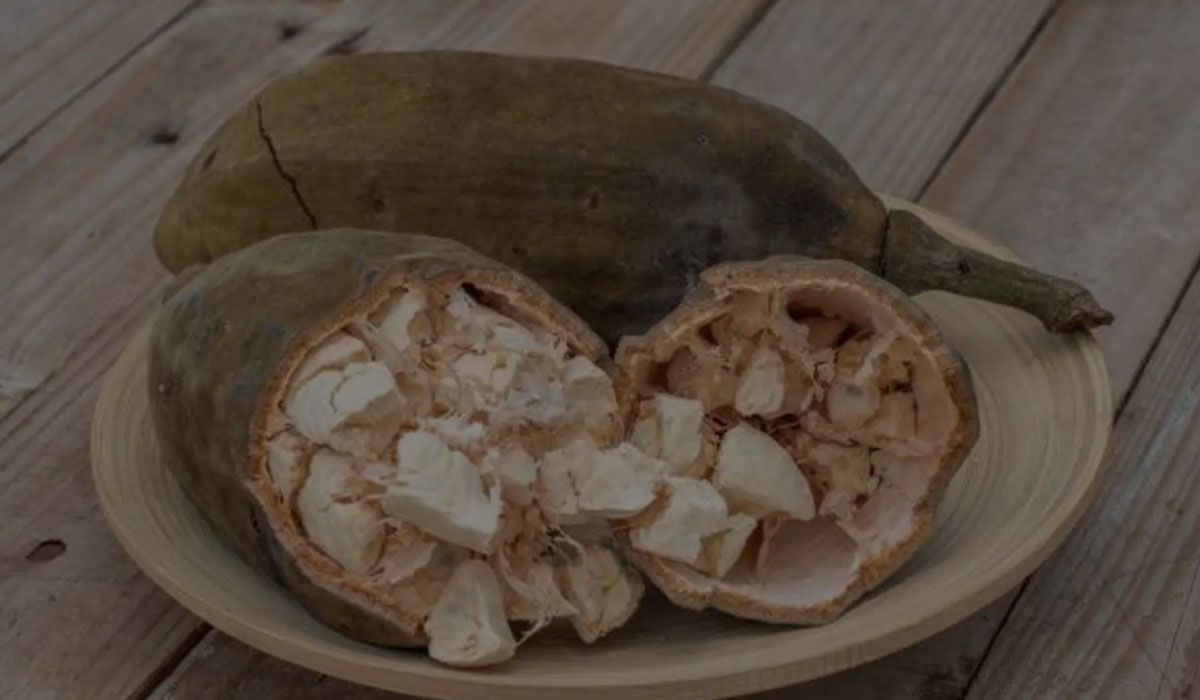
Baobab refers to a genus of trees, Adansonia, known for their unique, barrel-shaped trunks and long lifespans, with the most well-known species being the African baobab (Adansonia digitata). They are native to Africa, Madagascar, and Australia and are often called "the tree of life" due to their resilience and importance to local ecosystems.


Here's a more detailed look at baobabs:
Key Features and Characteristics:
Genus:Adansonia.
Species:
There are nine species in the Adansonia genus, with six endemic to Madagascar, two native to mainland Africa and the Arabian Peninsula, and one native to northwestern Australia.

Appearance:
Baobabs have distinctive, barrel-shaped trunks and are known for their unusual, "upside-down" branching patterns, with branches resembling roots.

Lifespan:
Baobabs are incredibly long-lived, with some individuals potentially reaching ages of over 2,000 years.

Ecological Importance:
Baobabs are crucial to the African savanna ecosystem, providing food, water, and shelter for various animals, including birds, lizards, monkeys, and elephants.

Adaptations:
Baobabs are succulents, meaning they store water in their trunks to survive the dry season, and their thick bark protects them from bushfires.

Fruit:
Baobab trees produce a large, woody fruit with a sweet, tangy, and refreshing taste, which is a source of nutrients, including vitamin C.

Other Names:
Baobabs are also known as monkey bread tree, upside-down tree, and cream of tartar tree.

Cultural Significance:
Baobabs are deeply rooted in African culture and folklore, often regarded as sacred trees or symbols of life.
BAOBAB FRUIT

Baobab refers to a genus of trees, Adansonia, known for their unique, barrel-shaped trunks and long lifespans, with the most well-known species being the African baobab (Adansonia digitata). They are native to Africa, Madagascar, and Australia and are often called "the tree of life".

BAOBAB FRUIT

Baobab refers to a genus of trees, Adansonia, known for their unique, barrel-shaped trunks and long lifespans, with the most well-known species being the African baobab (Adansonia digitata). They are native to Africa, Madagascar, and Australia and are often called "the tree of life".

BAOBAB FRUIT

Baobab refers to a genus of trees, Adansonia, known for their unique, barrel-shaped trunks and long lifespans, with the most well-known species being the African baobab (Adansonia digitata). They are native to Africa, Madagascar, and Australia and are often called "the tree of life".

Contact Us

Get in Touch